
12 Creative Wall Putty Art Designs & Texture Ideas
Textured wall treatments have become a cornerstone of contemporary interior design, moving beyond flat paint toward tactile surfaces that interact with light and shadow. Wall putty art (also known as acrylic wall relief or plaster art) uses white cement-based putty, acrylic joint compound, or modeling paste to sculpt custom 3D textures, geometric arches, and organic botanical motifs directly onto accent walls and framed canvas panels.
Unlike heavy carved wood or expensive stone tiles, wall putty is lightweight, versatile, and budget-friendly. Whether you are aiming for a wabi-sabi minimalist aesthetic, an organic modern statement wall, or an artisanal bohemian look, textured putty transforms sterile drywall into a tactile focal point. Explore these 12 creative wall putty art designs and texture ideas to elevate your living room, bedroom, and entryway.
Quick Comparison Table
| Wall Putty Art Design | Best Interior Style | Best Application Method | Ideal Room Placement |
| Sculpted Arch & Semicircle Relief | Modern Minimalist & Boho Luxe | Notched trowel / Comb | Living Room Feature Wall |
| Wabi-Sabi Horizontal Wave Grooves | Japandi & Organic Modern | Coarse bristle brush / Comb | Bedroom Headboard Wall |
| Tactile Botanical Leaf Impressions | Cottagecore & Nature-Inspired | Silicone molds / Hand modeling | Dining Room & Entry Nook |
| Abstract Heavy Impasto Palette Knife Peaks | Contemporary Fine Art | Metal offset palette knife | Above Sofa & Credenza |
| Segmented Geometric Triptych Canvas | Modern Luxury | Straight-edge trowel & taping | Master Suite & Living Room |
| Weathered Venetian Plaster Stucco | Mediterranean & Old-World Luxe | Venetian steel trowel | Hallway & Powder Room |
| Radiant Sunburst & Linear Rays | Transitional & Art Deco | Rake comb & stencil guide | Entryway & Compact Nook |
| Concentric Organic Circle Ripples | Zen Minimalism & Japandi | Rotating pivot tool / Spatula | Meditation Room & Office |
| Chunky Raw Stone & Aggregate Texture | Rustic Modern & Brutalist | Sponge stippling & coarse sand mix | Fireplace Surround & Foyer |
| Gilded Metallic Putty Crevices | Glamour Luxe & Moody Modern | Palette knife & metallic mica wax | Formal Dining & Lounge |
| Fluid Ribbon & Fabric Drape Relief | Soft Contemporary & Sculptural | Hand-shaped putty slurry | Master Bedroom Headboard |
| Textured Terrazzo Mosaic Tiles | Mid-Century & Modern Eclectic | Masking grid & dual-tone putty | Kitchen Backsplash Accent & Office |
12 Creative Wall Putty Art Designs & Texture Ideas
1. Sculpted Arch & Semicircle Relief
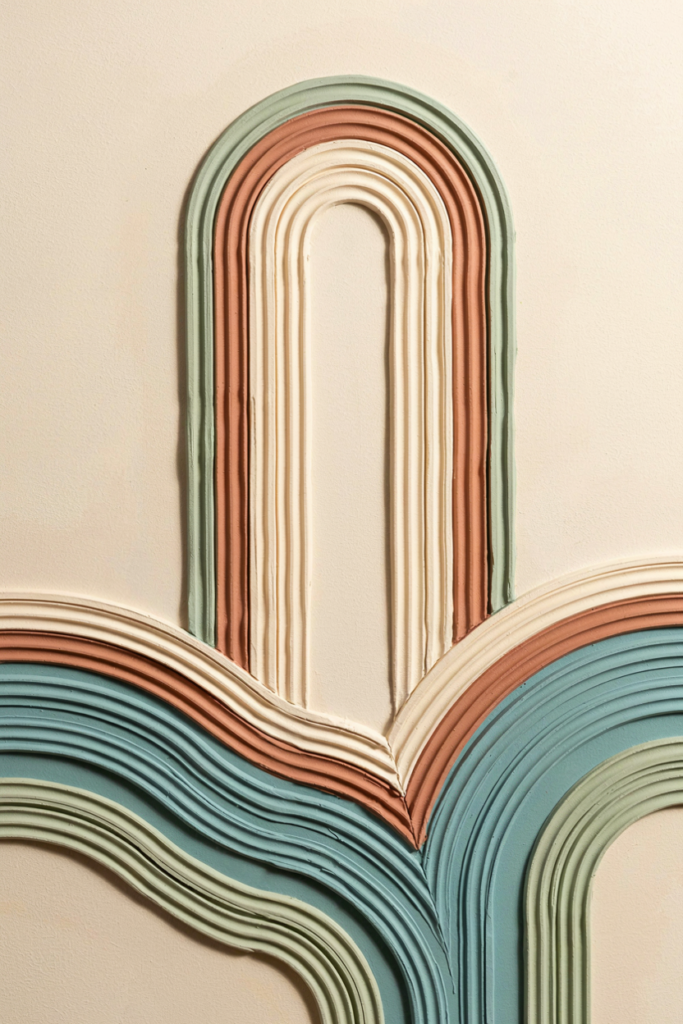
Sweeping semicircles and nested geometric arches are among the most popular modern putty art trends. Using a notched trowel or flexible arch comb, damp putty is raked across the surface in smooth, continuous curves. The rhythmic ridges catch directional lighting, creating soft gradient shadows that soften boxy living rooms.
2. Wabi-Sabi Horizontal Wave Grooves
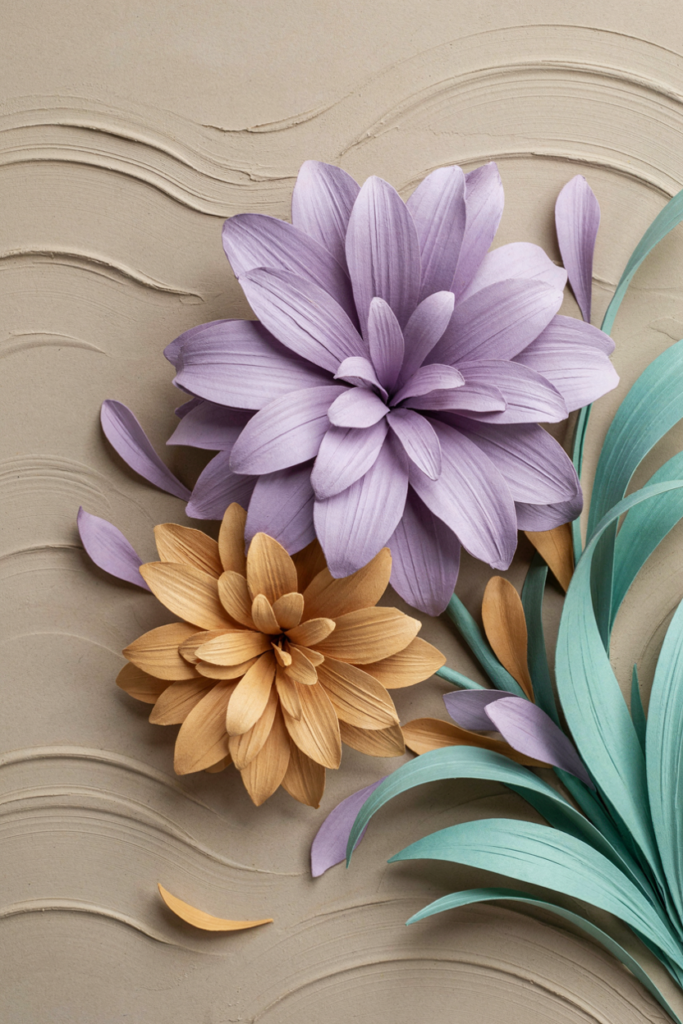
Embracing organic imperfection, horizontal wave grooves mimic raked zen garden sand or wind-swept desert dunes. Dragging a coarse-bristle brush, graining comb, or wooden rake across heavy-body wall putty yields undulating linear bands that expand narrow rooms and provide a soothing backdrop behind a bed.
3. Tactile Botanical Leaf Impressions
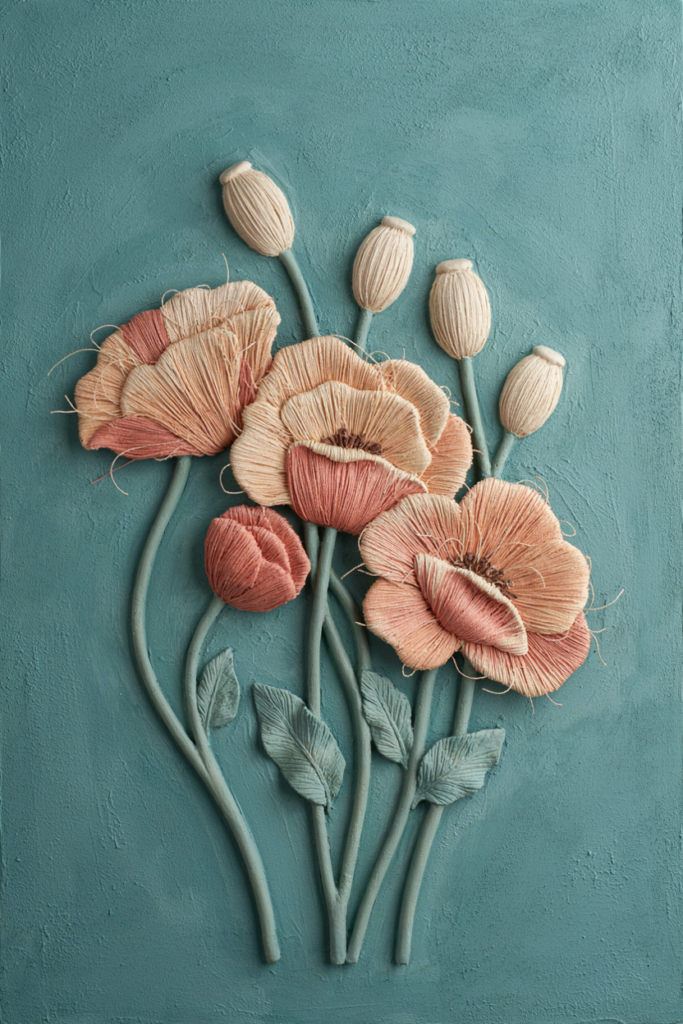
Sculpted floral fronds, monstera leaves, and delicate fern impressions bring the outdoors inside. Putty is applied thickly and shaped with modeling tools or stamped with real botanical specimens before curing. Once dry, a matte wash highlights the delicate leaf veins, making it an artisanal statement for dining areas.
4. Abstract Heavy Impasto Palette Knife Peaks
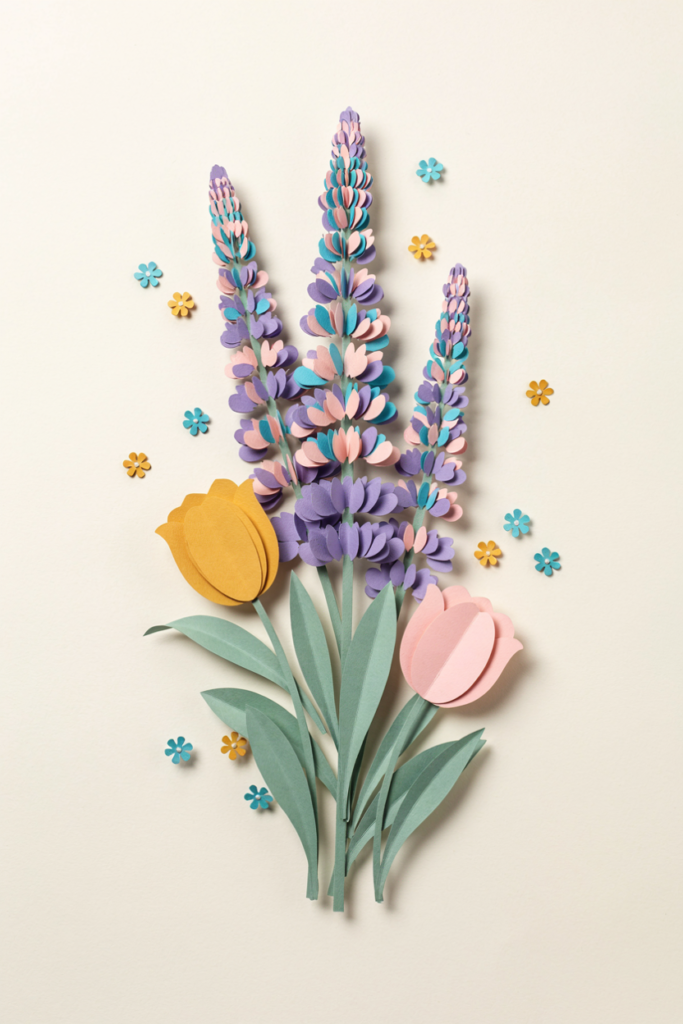
Inspired by modern abstract expressionism, this technique uses flexible offset palette knives to layer thick slashes, crests, and sharp ridges of acrylic putty across large canvases. Leaving raw knife marks and varied heights produces a dynamic play of highlights and deep shadows.
5. Segmented Geometric Triptych Canvas
Spanning a textured putty pattern across three matching framed panels delivers an architectural statement. Clean diagonal lines, overlapping squares, and clean grid intersections are created using painter’s tape and putty knives. Mounting the three panels with a 2-inch gap adds visual rhythm above living room sectionals.

6. Weathered Venetian Plaster Stucco
Achieve the look of historic Italian villas by applying thin, overlapping layers of wall putty with a rounded Venetian trowel held at a low angle. Burnishing the dried surface creates a smooth, semi-polished texture with matte, cloudy undertones that pair with brass accents and soft lighting.
7. Radiant Sunburst & Linear Rays
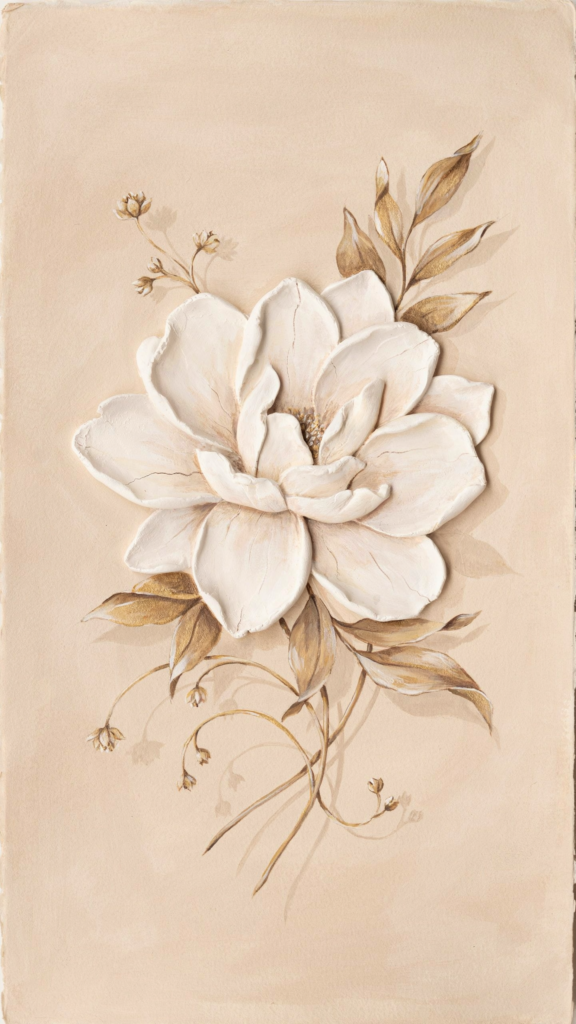
Starting from a central point, raised linear rays are combed outward in alternating lengths across an accent wall or circular wood round. The expanding sunburst creates directional energy, drawing the eye upward to make compact foyers and hallway niches feel spacious.
8. Concentric Organic Circle Ripples
Evoking pebbles dropped into still water, concentric circles sculpted in wall putty introduce fluid balance. Using a rotating pivot arm or flexible scraper, circular rings are grooved at varying depths. When paired with directional ceiling spotlights, the concentric rings cast soft shadows across modern lounges.

9. Chunky Raw Stone & Aggregate Texture
Blending coarse silica sand, small quartz aggregate, or crushed limestone directly into wall putty creates a heavy, stone-like plaster. Applying the mixture with a sea sponge and rough trowel produces a raw, chiseled finish that complements concrete fireplaces and industrial lofts.
10. Gilded Metallic Putty Crevices
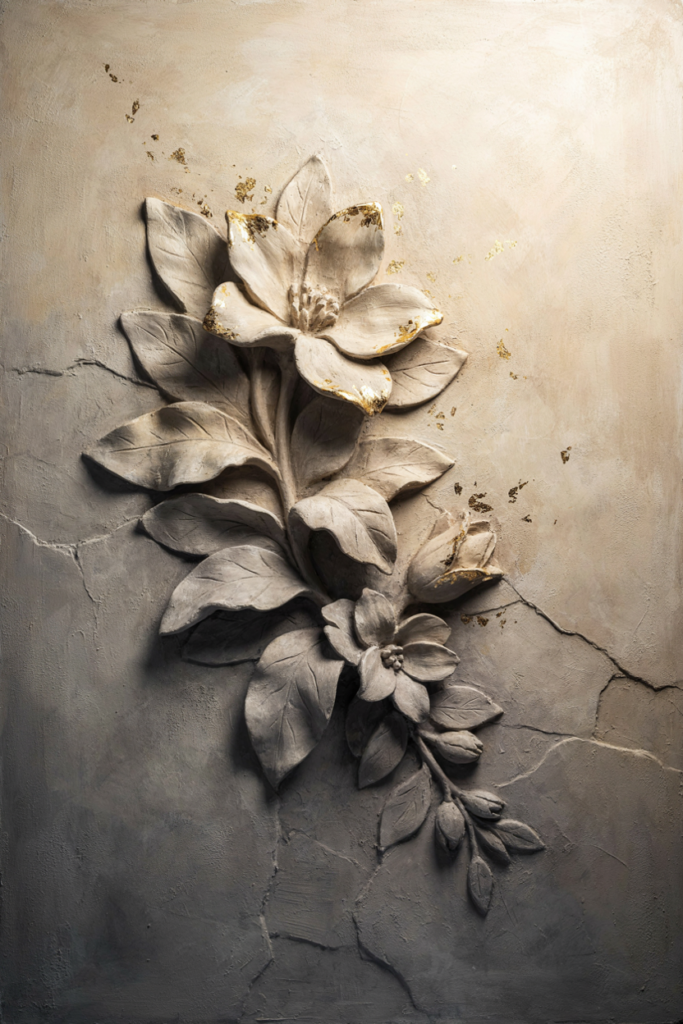
For a dramatic, luxurious finish, deep craggy fissures are sculpted into a dark charcoal or navy-tinted putty base. Once cured, the peaks and crevices are hand-buffed with antique gold leaf, brass mica paste, or copper gilding wax, creating a sparkling contrast against the matte plaster.

11. Fluid Ribbon & Fabric Drape Relief
Using a wetter putty slurry reinforced with cheesecloth or fiberglass mesh, the material is gathered, folded, and shaped into sweeping curves that resemble draped silk fabric frozen in time. The soft, organic folds introduce fluidity to master bedroom feature walls.

12. Textured Terrazzo Mosaic Tiles
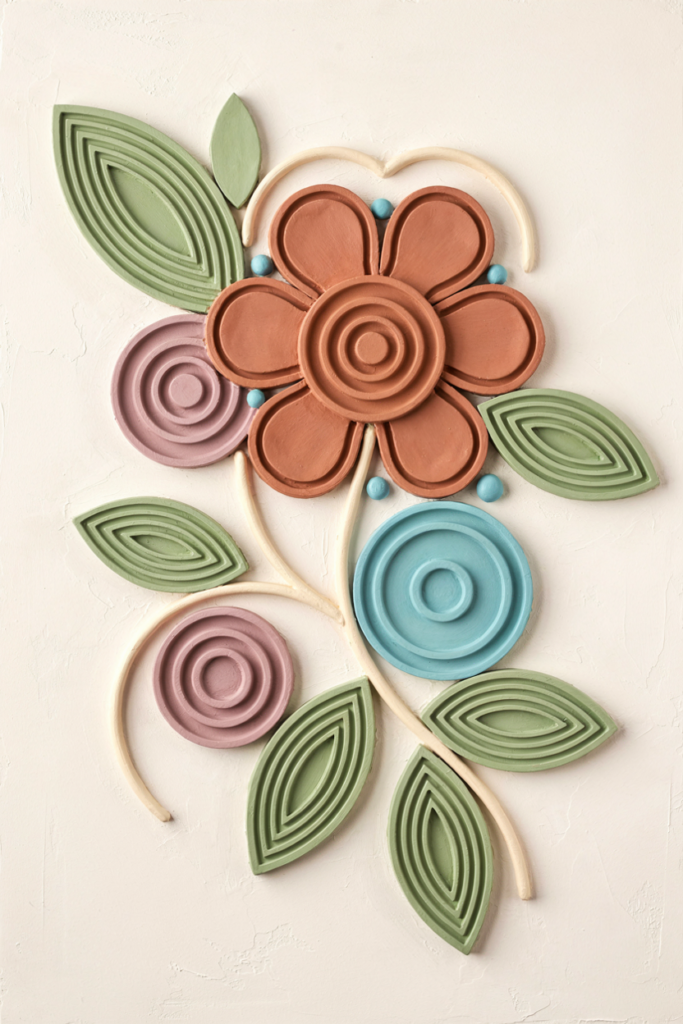
A modern DIY-friendly technique where a grid of geometric shapes is taped out on a panel. Different compartments are filled with wall putty tinted in complementary pastel tones or embedded with colored glass chips. Once lightly sanded and sealed with a matte clear coat, it creates a tactile terrazzo mosaic.
Essential Tools & Materials for DIY Putty Art
- Base Mediums: Ready-mix acrylic wall putty, joint compound, or modeling paste for fine detail; white cement-based putty for thick structural wall murals.
- Texturing Tools: Metal palette knives, notched tile trowels, rubber graining combs, coarse silicone scrapers, and natural sea sponges.
- Substrates: 6mm to 12mm MDF panels, stretched heavy-duty canvas, or prepared interior drywall primed with a bonding sealer.
- Finishes: Matte acrylic latex paints, chalky limewash coatings, metallic gilding waxes, and water-based matte sealers.
Pro Tips for Long-Lasting Wall Putty Art
- Prime the Surface First: Always coat bare drywall or wood boards with a high-adhesion acrylic primer before applying putty to prevent moisture absorption and cracking.
- Build Thickness in Layers: For relief heights exceeding 1/2 inch (12mm), apply the putty in two to three thinner layers, allowing each layer to dry partially to prevent shrinkage cracks.
- Control Your Working Time: Acrylic putty begins skimming within 15–20 minutes. Work in small 2×2-foot sections when combing precise geometric arches or concentric rings.
- Sand and Seal: After curing for 24 hours, lightly sand rough burrs with 220-grit sandpaper and apply a matte acrylic clear coat to protect against humidity and dust.
Frequently Asked Questions (FAQs)
What is the difference between wall putty and plaster of Paris (PoP)?
Wall putty is cement- or acrylic-based, offering superior adhesion, flexibility, and water resistance. Plaster of Paris sets very quickly (5–10 minutes) and is more brittle, making wall putty easier to work with for intricate textural art.
Can wall putty art be painted?
Yes. Once fully cured and dry (24–48 hours), wall putty can be painted with interior emulsion, chalk paint, acrylic colors, or limewash washes.
How do you clean textured putty art?
Dust the textured ridges regularly with a soft makeup brush, microfiber duster, or a hair dryer on a cool, low setting. Avoid saturated wet rags, which can soften unsealed putty.
Conclusion: Elevating Interiors with Tactile Creativity
Wall putty art bridges the gap between sculptural craft and contemporary interior design. By introducing custom ridges, soft wabi-sabi waves, and geometric arches to bare walls, you create physical depth that transforms with the changing daylight.
Whether sculpting a framed canvas triptych over your sofa or applying sweeping arches across an entryway, textured wall putty brings artisanal warmth, modern elegance, and sensory depth to any living space.